In a result that surprised many who had questioned whether Iran’s players could perform under the intense political spotlight surrounding their participation at the 2026 FIFA World Cup, the team fought back twice to earn a creditable 2-2 draw against New Zealand in their opening group stage match at a sun-drenched stadium in Los Angeles.
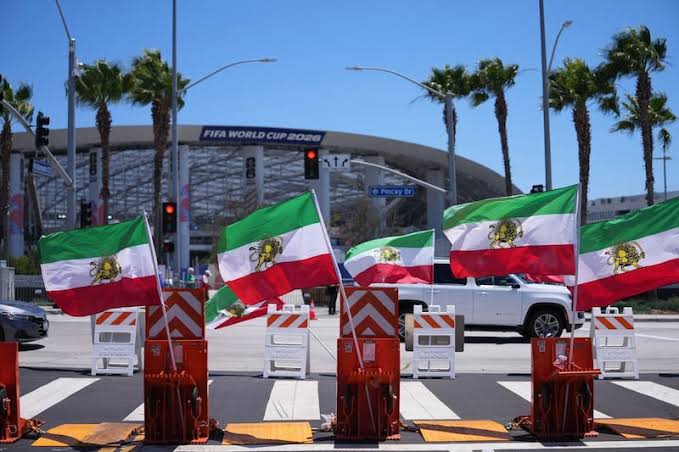
The match was played against a backdrop of unprecedented off-field tension. Demonstrations outside the stadium brought together competing groups of protesters expressing a wide range of views about Iran’s government, its recent military conflicts, and the appropriateness of the country’s participation in the tournament. Inside the stadium, the atmosphere was charged with the kind of heightened emotion that only football at the highest level can generate.
Iran’s players, many of whom have faced intense pressure from both their government and from sections of the Iranian diaspora about their public statements and gestures, appeared to channel the tension productively. A display of technical quality and fighting spirit earned them a point they could have lost after twice falling behind to a New Zealand side that pressed with energy and directness.
New Zealand’s goals came from set pieces and direct running, exploiting moments when the Iranian defensive line was caught high. The Iranians equalised on both occasions through moments of individual brilliance in the final third, with their second goal in particular generating thunderous applause from the large contingent of Iranian supporters who had travelled or relocated to the host country.
The coach of the Iranian team spoke carefully after the match about his players’ mental strength, acknowledging the extraordinary circumstances without engaging directly with political questions. His caution reflects the delicate position occupied by Iranian athletes at international events, caught between the expectations of their government and the scrutiny of a global audience.
New Zealand’s coach expressed satisfaction with their performance but acknowledged that their inability to hold onto leads will need to be addressed before their remaining group matches. The All Whites have qualified for a World Cup for the first time in many years and are keen to demonstrate that their place on the global stage was merited on footballing grounds.
The expanded 48-team format of the 2026 World Cup means that a draw in the opening match is by no means a decisive setback. Iran, based on their technical quality and the tactical sophistication they displayed against New Zealand, are likely to be competitive in their group. Whether their tournament journey continues beyond the group stage will depend on how they manage the combination of footballing pressure and political scrutiny that follows them uniquely among the participating nations.
FIFA officials have maintained that the tournament must remain a political-free zone, a position that critics describe as naive given the inherently political nature of international sport. The presence of nations whose governments are involved in active conflicts or facing serious human rights allegations inevitably brings those issues into the stadium, whatever the governing body’s aspirations.
For football purists, the match offered reminders of the game’s capacity to transcend divisions and create shared moments of beauty and drama. For others, the ability to enjoy the football at all while so much else hangs in the balance requires a degree of compartmentalisation that not everyone finds comfortable or appropriate.