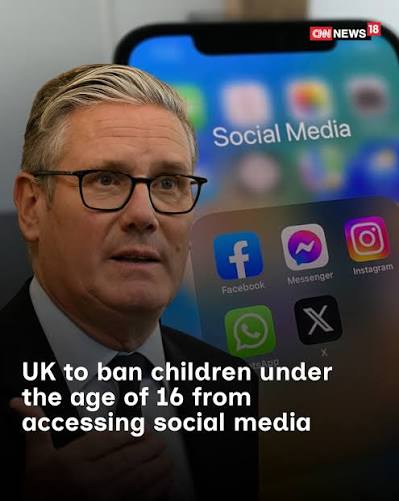
The United Kingdom’s ambitious plans to restrict access to social media platforms for children under the age of 16 have encountered significant pushback from technology companies, civil liberties groups, and some child welfare experts, even as ministers insist that protecting young people from online harm must be a legislative priority.
The proposed restrictions, which would require platforms to verify users’ ages and prevent those under 16 from accessing services without parental authorisation, represent one of the most far-reaching attempts by any major democracy to regulate children’s digital lives. The government has argued that the current laissez-faire approach has allowed social media companies to profit from young users while exposing them to harmful content and predatory behaviour.
Technology companies have argued that effective age verification at the scale required is both technically challenging and raises serious privacy concerns. Robust age checking typically requires the collection and processing of sensitive identity documents, creating data security risks that critics argue could expose young people to greater harm rather than less. Industry representatives have proposed alternative approaches based on behavioural signals and parental control tools.
The civil liberties dimension of the proposals has drawn concern from unexpected quarters. Researchers who study adolescent development argue that access to online communities is genuinely important for many young people, particularly those who are marginalised in their immediate physical environments — LGBTQ+ teenagers in unsupportive households, young people in remote areas with limited social networks, and those with disabilities or chronic illnesses who rely on online communities for connection and support.
Ministers have been at pains to emphasise that the restrictions are not designed to deny young people the benefits of digital connectivity, but rather to ensure that those benefits are accessed in age-appropriate ways with appropriate oversight. They point to evidence linking heavy social media use among adolescents to increases in anxiety, depression, and body image problems, arguing that inaction in the face of this evidence would be unconscionable.
The technical debate about what age verification systems would actually look like in practice has been intense. Some proposals involve biometric verification, others rely on credit card data or identity document checks, and others focus on device-level parental controls. Each approach has significant limitations, and experts doubt whether any system could achieve the compliance rates that would make the policy effective.
International comparisons have been invoked by both sides of the debate. Australia has passed similar legislation and is in the process of implementing it, providing a real-world test case that UK policymakers are watching carefully. Early indications from Australia suggest that both the technical challenges and the policy debates are at least as complex as critics predicted.
The legislation is moving through the parliamentary process with broad cross-party support, meaning that it is likely to become law in some form regardless of the ongoing debates about implementation details. The real test will come when platforms are required to actually implement the requirements and authorities begin enforcement proceedings against those that do not comply.
For parents navigating these questions in their daily lives, the government’s intervention provides some reassurance that the issue is being taken seriously, even if the specific legislative approach generates anxiety about unintended consequences. The desire to protect children from online harm is near-universal; the difficulty, as always, lies in translating that desire into policy that actually works.