Marine biologists monitoring the world’s coral reef systems have documented a pattern of repeated mass bleaching events of increasing frequency and severity that is undermining the capacity of reef ecosystems to recover between thermal stress episodes, with the most recent global bleaching event — the fourth confirmed at planetary scale since records began — affecting reef systems across every major ocean basin and leaving researchers to question whether the adaptive potential of coral species can keep pace with the rate of ocean warming being driven by continued greenhouse gas emissions. The scientific consensus, hardened by decades of monitoring data from thousands of sites worldwide, is that the window for preserving anything approaching current reef biodiversity is measured in years rather than decades.
Coral bleaching occurs when elevated water temperatures cause corals to expel the photosynthetic algae, known as zooxanthellae, that live in their tissues and provide the majority of their nutritional requirements. In the bleached state, corals are alive but severely stressed, and if thermal conditions persist for more than a few weeks the animals typically die. Reefs that have bleached can recover if temperatures return to normal relatively quickly and the interval before the next thermal stress event is sufficient to allow new coral colonies to establish and grow — a process that in the fastest-growing species takes years, and for the structural corals that build the reef matrix can take decades. The problem confronting reef ecologists is that the return intervals between bleaching events have collapsed from years to months in some regions, leaving coral communities with no realistic prospect of meaningful recovery.
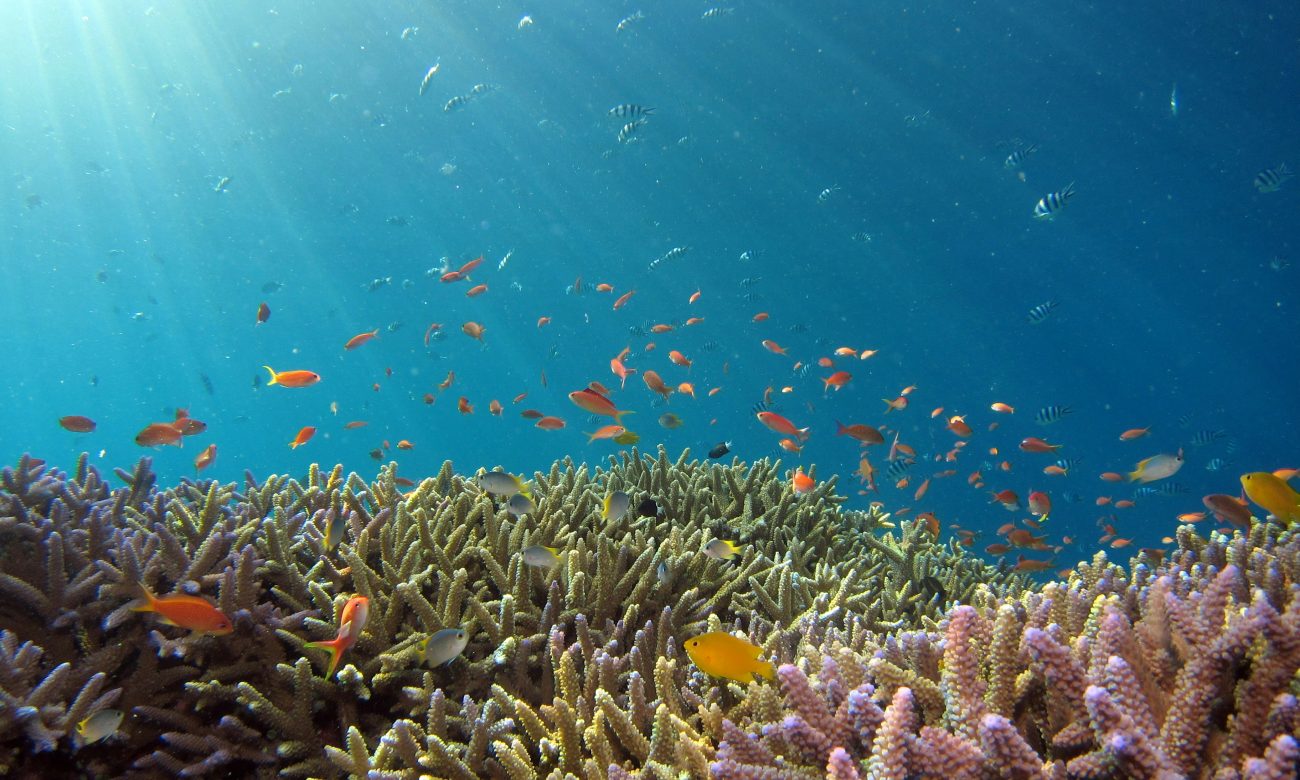
The ecological significance of reef systems extends well beyond their intrinsic biological value. Coral reefs occupy less than one per cent of the ocean floor but are estimated to provide habitat for approximately a quarter of all marine species, including fish populations that are the primary protein source for hundreds of millions of people in tropical coastal regions. The physical structure of reefs provides coastal protection against wave energy and storm surge for low-lying islands and mainland coastlines across the Pacific, Indian, and Atlantic oceans, a function that takes on heightened significance as sea level rise and more intense tropical cyclones increase the threats those communities face. The economic value of reef-associated fisheries, tourism, and coastal protection services has been estimated in the hundreds of billions of dollars annually, a figure that does not capture the cultural and spiritual significance of reef ecosystems to the indigenous and traditional communities that have maintained relationships with them across generations.
Efforts to assist reef adaptation have generated a substantial research literature and a range of experimental interventions, from selective breeding programmes aimed at identifying thermally tolerant coral strains to more controversial proposals involving the introduction of genetically modified coral species. Researchers at several institutions have demonstrated that corals from naturally warm or variable environments can exhibit greater thermal tolerance than those from historically stable sites, raising the possibility that managed translocation of tolerant genotypes could provide some reefs with greater capacity to withstand future thermal events. The practical challenges of scaling such interventions to the geographic extent of the world’s reef systems are, however, formidable, and many biologists working on reef conservation have expressed concern that the focus on assisted evolution may inadvertently reduce political pressure to address the emissions trajectory that underlies the crisis.
Pacific Island nations, whose territorial waters encompass some of the world’s most biologically significant reef systems, have been among the most vocal advocates for more ambitious global climate action, and their representatives at international climate and biodiversity negotiations have consistently pressed for commitments that reflect the existential character of the threat their ecosystems face. For many Pacific communities, the reef is not simply an economic or ecological asset but the foundation of cultural identity, navigational knowledge, and food sovereignty accumulated across centuries of maritime civilisation. The loss of those systems would not merely be an environmental tragedy but the erasure of a relationship between human communities and the living ocean that is without parallel in its depth and duration.
Scientists who have spent careers in reef research speak with a combination of professional precision and barely concealed grief about what their data show. The language of ecology is not naturally suited to moral urgency, but the researchers who have watched particular reef systems that they know intimately bleach, recover partially, bleach again, and fail to recover are confronting a form of documented ecological loss that resists the neutral vocabulary of scientific reporting. Their findings represent, in the most direct and measurable terms, the consequences of choices about energy systems and economic organisation that were made by societies far removed from the reefs whose fate those choices are determining.