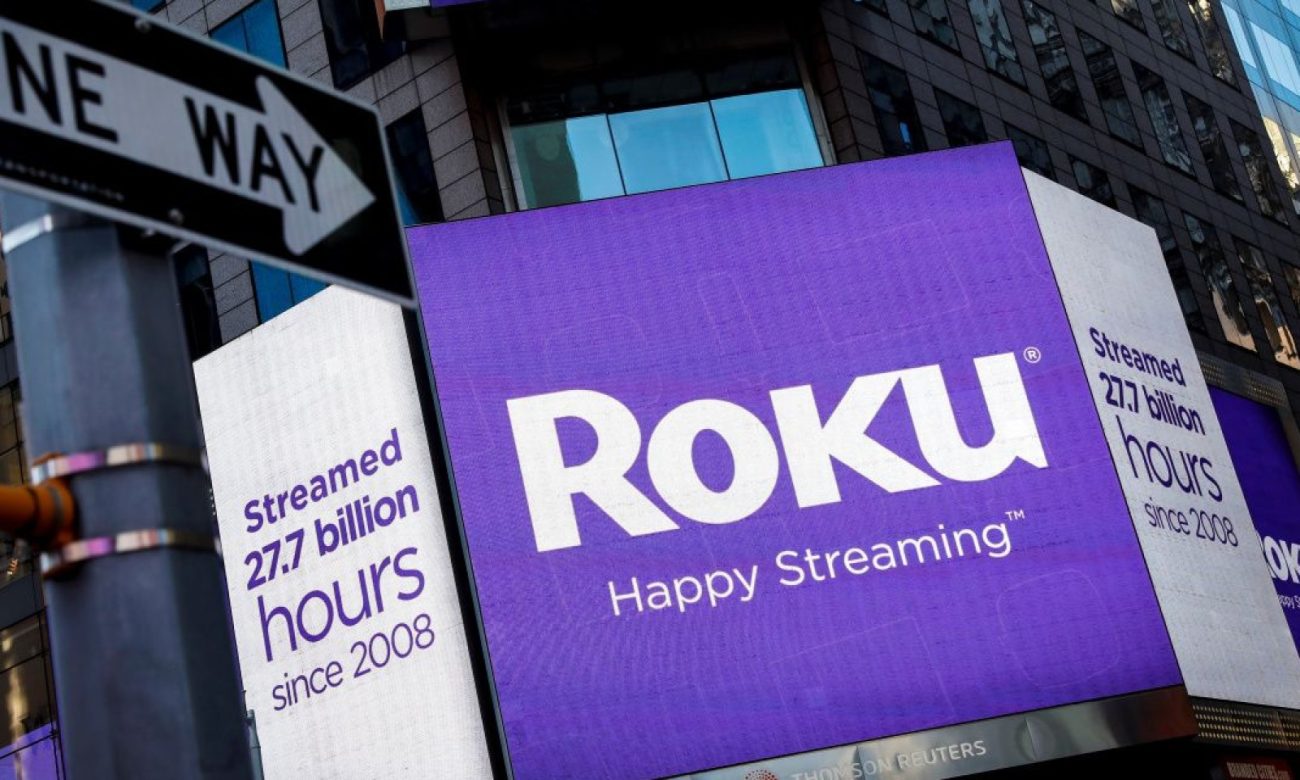
Fox Corporation’s announcement that it intends to acquire streaming platform Roku in a deal valued at approximately 22 billion dollars represents one of the most significant consolidation moves in the rapidly evolving streaming media landscape, combining a major traditional media brand with the connected television infrastructure that has become central to how Americans consume content at home.
Roku, which began as a Netflix streaming device and evolved into one of the most widely used smart television operating systems in the United States, brings Fox access to data on the viewing habits of tens of millions of households as well as a platform for delivering advertising that does not depend on the traditional cable television bundle that has been losing subscribers at an accelerating pace.
Analysts described the deal as a bet that combining a strong news and sports content portfolio — Fox’s core strengths — with the distribution and data advantages of a leading connected television platform could create a more durable business model than either company can build alone. Fox’s ownership of major sports rights and its cable news operation generates significant viewer engagement; Roku’s platform data could help monetise that engagement more effectively through targeted advertising.
The acquisition will face scrutiny from competition regulators, who have been increasingly active in reviewing large media and technology transactions. Questions will be raised about whether the combination could disadvantage rival streaming services that currently distribute on the Roku platform or whether it creates conflicts of interest in how content is promoted and monetised on the combined platform.
Roku’s management and employees are likely to be watching closely for signals about how Fox intends to manage the integration of a technology-focused company with a distinctive culture into a traditional media conglomerate. Previous media technology acquisitions have not always resulted in the synergies their architects projected, often because the cultural and operational differences between media and technology organisations are harder to bridge than financial models assume.
For consumers, the most immediately relevant question is whether the acquisition changes the Roku user experience. The platform currently serves content from a wide range of providers, including Fox’s rivals, and has positioned its neutrality as a selling point with both consumers and content providers. Whether that neutrality can be preserved under Fox ownership is a question that competing studios and streaming services will be asking urgently.
The streaming wars have entered a phase of consolidation after years of proliferation, as it has become clear that only a limited number of services can achieve the subscriber bases and content investment levels needed to operate profitably. The Roku acquisition is the latest signal that the industry’s structure will look significantly different within a few years than it does today, with fewer independent players and more vertically integrated combinations of content, distribution, and data.
Investors responded positively to the announcement, with Roku shares rising sharply on news of the premium being offered. Fox shares showed a more modest response, reflecting both enthusiasm about the strategic rationale and the uncertainty that attends any large acquisition. The deal’s completion timeline will depend on regulatory processes that could take many months to resolve.