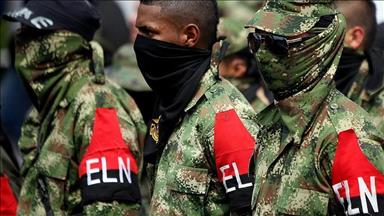
The National Liberation Army, Colombia’s last remaining major guerrilla organisation, announced a unilateral ceasefire timed to coincide with the country’s approaching presidential election, a move that observers interpreted as both a tactical gesture and a signal of continued interest in peace negotiations that have been grinding slowly forward under the current government’s leadership.
The ELN, which traces its origins to the revolutionary movements of the 1960s and has outlasted the demobilisation of the larger FARC organisation through a 2016 peace agreement, has maintained armed operations across a significant portion of Colombian territory, particularly in rural and border regions where state presence is limited. The group funds itself through a combination of drug trafficking, extortion, and kidnapping, making its transformation into a peaceable political movement a complex and uncertain prospect.
The ceasefire announcement was welcomed cautiously by the Colombian government, which has been engaged in on-and-off negotiations with the ELN over several years without reaching a comprehensive peace framework. The government described the gesture as a constructive step while stopping short of suspending its own security operations, citing the need for the ceasefire to be verified through independent monitoring before the military fully stands down in affected regions.
Peace negotiations in Colombia are complicated by the ELN’s internal structure, which is less centralised than the FARC was and involves multiple fronts with different geographical presences and political orientations. Reaching agreements that are actually binding on all elements of the organisation has been a persistent challenge, as regional commanders have at times continued operations despite commitments made at the national negotiating level.
The timing of the ceasefire relative to the presidential election reflects an ELN calculation about which electoral outcome best serves its interests and a desire to avoid being seen as a destabilising force at a sensitive democratic moment. Colombian elections have historically been accompanied by violence from armed groups, and a clean ceasefire would represent a meaningful departure from that pattern.
Affected communities in regions where the ELN operates have responded to the ceasefire announcement with a mixture of cautious hope and deep scepticism rooted in years of broken promises and recurring violence. Farmers, teachers, community leaders, and local officials who live under the daily reality of armed group presence know from experience that announcements from distant negotiating tables do not always translate into changes on the ground.
Human rights organisations have maintained careful documentation of ELN activities and will be monitoring compliance with the ceasefire closely. Any violations will be documented and publicised, creating accountability pressure that can influence both the group’s behaviour and the public’s assessment of the seriousness of its peace commitments.
Colombia’s experience with the FARC peace process demonstrates both the possibilities and the difficulties of transforming guerrilla organisations into political actors within a democratic framework. Whether the ELN can navigate a similar transition, and whether the Colombian state and society can create conditions in which former combatants can participate safely in legitimate political life, are questions that will define a significant chapter of the country’s future.