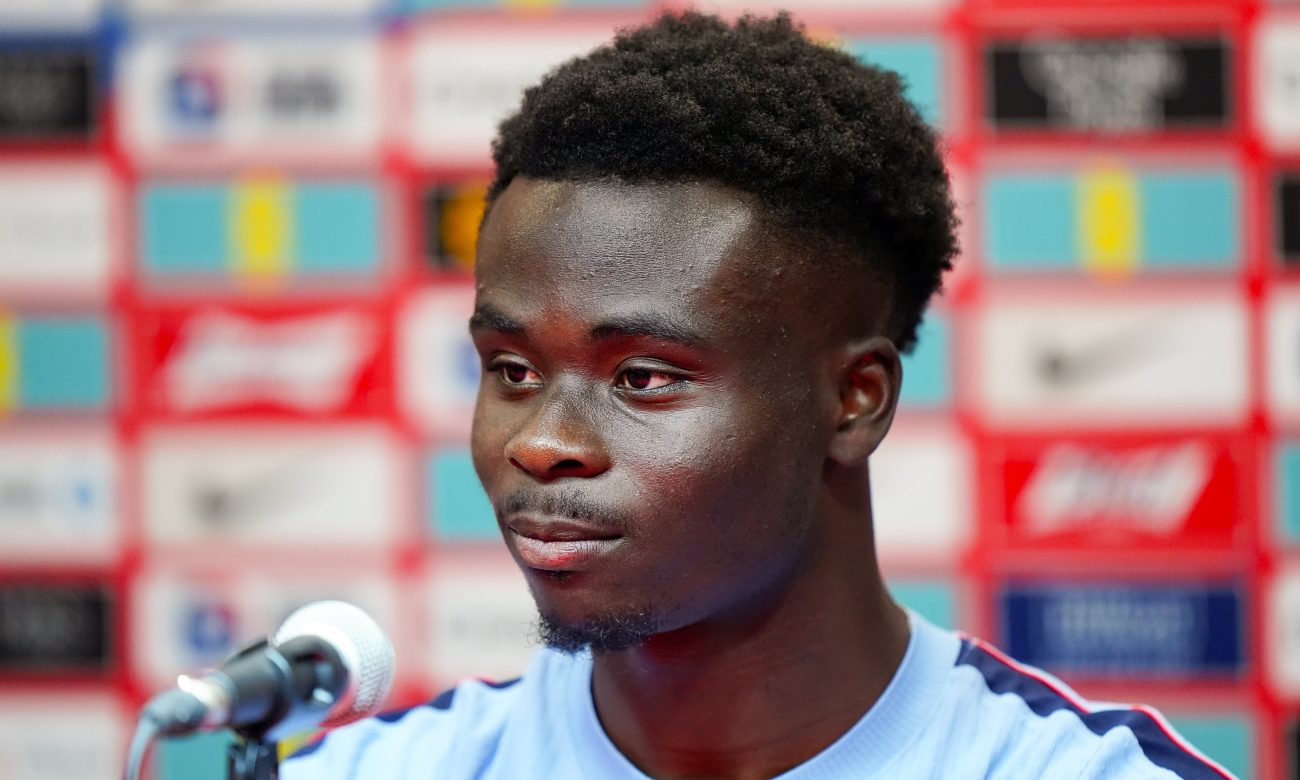
England winger Bukayo Saka confirmed that he is taking a calculated risk with his fitness to be part of the 2026 World Cup squad, saying he feels “ready to go” for the opener against Croatia despite carrying a knock that has been monitored carefully by the England medical team throughout the tournament preparation period.
The Arsenal forward is considered one of England’s most important attacking players — a player who combines the creativity, direct running, and work rate that a modern wide forward must possess, allied to a composure under pressure that belies his relatively young age. His absence would force significant tactical adjustments on manager Thomas Tuchel, who has built significant portions of England’s attacking play around Saka’s movement and decision-making in the final third.
The nature of the injury has not been disclosed in detail, reflecting standard practice among international squads who are acutely aware that public disclosure of specific injury details provides tactical information to opponents. Saka himself was careful to project confidence without making absolute guarantees, a balance that reflects both honest communication about his situation and the importance of not creating unnecessary concern among the squad.
Tuchel offered careful words about his winger, saying that the medical and performance staff are monitoring Saka’s condition on a daily basis and that the decision about his availability for each match will be made as close to kick-off as possible. This approach — maximising training and preparation while remaining flexible about match day decisions — reflects a careful balance between competitive need and long-term player welfare.
England’s squad depth in wide attacking positions means that a contingency plan exists if Saka is unavailable, but no honest assessment of the options would suggest that his replacement would offer equivalent quality. International tournament success almost always requires the availability of the best players at the right moment, and for England, Saka represents a player who could be decisive in knockout rounds if the team reaches them.
The broader fitness landscape across England’s squad going into the tournament involves a number of players who have endured long and demanding club seasons. The compressed calendar of modern football, with its proliferation of competitions at both club and international level, means that players arrive at major tournaments carrying accumulated fatigue as well as in some cases specific physical issues. Managing these realities is one of the most important — and least visible — aspects of coaching at the highest level.
Saka’s attitude toward his situation has been praised by teammates and coaching staff as exemplifying the professionalism and selflessness that define England’s current camp culture. He has spoken about his desire to represent his country at a World Cup since he was a child, and the combination of that long-held dream and the competitive instinct of a elite athlete means he is willing to accept a degree of physical risk to participate.
Croatia, England’s opening opponents, will be well aware of Saka’s influence and will have prepared specifically for his involvement. Whether he takes the field from the start, comes on as a substitute, or sits out entirely will be one of the most closely watched aspects of England’s World Cup opener and a significant piece of information about how Tuchel intends to deploy his attacking resources across the tournament.