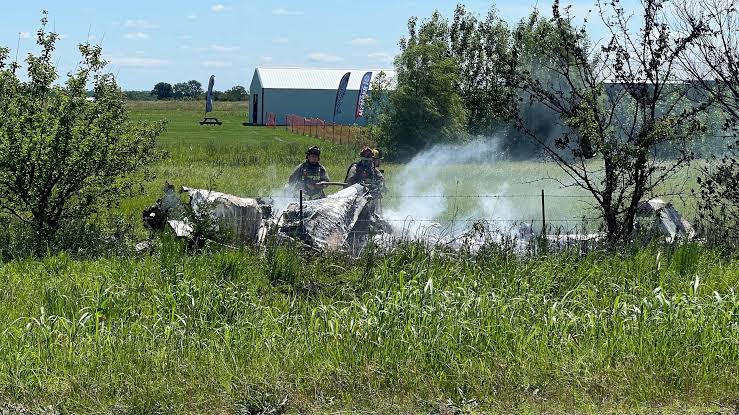
Eleven skydivers and the aircraft’s pilot were killed when their plane spun out of control and crashed shortly after takeoff at a drop zone in Missouri, in one of the deadliest aviation accidents involving sport parachuting in American history. Emergency responders arriving at the scene found no survivors among those aboard the aircraft.
The accident occurred during what witnesses described as normal pre-jump preparations. The plane had taken off with the skydivers aboard and was climbing to altitude when observers on the ground reported it entering an uncontrolled spin before plummeting to earth. The exact sequence of mechanical or operational events that led to the loss of control is the subject of an investigation by the National Transportation Safety Board, which has deployed investigators to the site.
Among those killed were a number of experienced skydivers who had accumulated thousands of jumps between them. The skydiving community, which is relatively small and tightly connected, reacted to the news with an outpouring of grief, with tributes flowing through social media from friends, fellow jumpers, and family members of the deceased. The community is also asking difficult questions about the safety protocols in place at the drop zone and the airworthiness of the aircraft involved.
Aircraft used in skydiving operations are typically older models that can be modified to carry significant numbers of jumpers efficiently. These aircraft undergo regular maintenance and certification, but the demands placed on them — repeated climbs to altitude with heavy passenger loads, multiple cycles per day — mean that the maintenance regime is critical. The NTSB investigation will examine the aircraft’s maintenance records in detail.
Regulatory oversight of skydiving operations involves multiple agencies, including the Federal Aviation Administration for the aircraft and the United States Parachute Association for the jumping activities themselves. Questions have been raised in the aftermath of previous accidents about whether the coordination between these agencies is adequate to ensure comprehensive safety oversight of drop zone operations.
The drop zone where the accident occurred had been operating for many years and was known in the regional skydiving community. Its safety record prior to this accident will be examined as part of the investigation, along with the qualifications and experience of the pilot and the maintenance history of the specific aircraft involved.
Skydiving carries inherent risks that participants knowingly accept, and the community is generally thoughtful about the distinction between risks that are intrinsic to the sport and risks that arise from preventable failures in equipment maintenance, training, or operational procedure. The current tragedy has prompted renewed discussion about where that line lies and what obligations drop zone operators and aircraft owners carry toward those who pay to use their facilities and equipment.
Families of the victims have begun the painful process of making arrangements and seeking answers about what happened and why. For many, the investigation’s findings will be essential to achieving any sense of closure, providing some understanding of whether their loved ones’ deaths resulted from unforeseeable misfortune or from failures that could and should have been prevented. The NTSB’s final report, expected many months hence, will be read with intense attention.