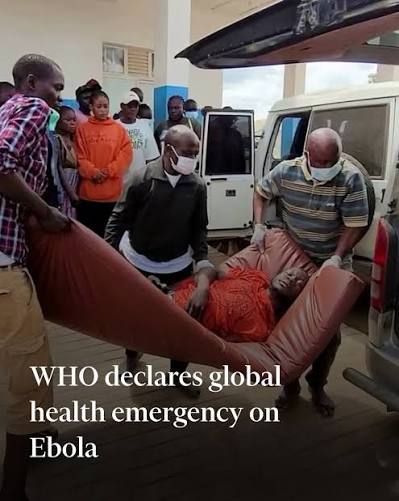
Health authorities in the Democratic Republic of Congo have reported a sharp and alarming increase in daily Ebola cases, raising fears that the current outbreak — which was declared a public health emergency more than a month ago — is intensifying rather than being brought under control, and prompting the World Health Organisation and partner agencies to dramatically scale up their emergency response.
The latest case figures represent the largest single-day jump since the outbreak was first detected, and epidemiologists working in the affected region say they are deeply concerned by evidence that transmission chains have extended beyond the initial epicentre to new geographic areas. The spread into previously unaffected communities significantly complicates containment efforts and increases the logistical demands on response teams that are already stretched.
Volunteer health workers operating in the outbreak zone have described conditions that are both dangerous and emotionally draining. They are treating patients in communities where fear of the disease and distrust of outside responders — rooted in painful experiences during previous outbreaks — make engagement with affected populations difficult. Convincing people to seek treatment early, before the disease progresses to its most severe and infectious stages, is critical to controlling spread, but requires trust that takes time to build.
The Ebola virus disease, which causes severe hemorrhagic fever and carries high fatality rates without treatment, has now killed more than 170 people in the current outbreak. Treatments exist that can significantly reduce mortality when administered early, but their effectiveness depends on patients presenting for care before the disease is too advanced. In resource-limited settings where health facilities are sparse and roads impassable, this early presentation is difficult to achieve.
International medical organisations including Médecins Sans Frontières have deployed additional teams to the region, and the WHO has convened emergency coordination meetings to align the efforts of dozens of responding agencies. Logistical challenges are considerable — the affected area is remote, infrastructure is limited, and the ongoing security situation in parts of the DRC creates additional complications for response teams moving personnel and supplies.
Vaccination campaigns using the approved Ebola vaccine are a central component of the response, with priority given to contacts of confirmed cases and frontline health workers. Vaccine supply has been a challenge in previous outbreaks, and the current response is working to ensure sufficient doses reach affected areas quickly enough to create the ring of protection around known transmission chains that the vaccination strategy requires.
The international community’s attention has been partly captured by other global crises, raising concerns among global health advocates that the Congo outbreak may not receive the sustained political and financial support it requires. Ebola outbreaks that are allowed to smoulder without adequate response have a history of escalating dramatically; the international community has been burned before by responding too slowly and then being forced into a vastly more expensive and difficult emergency mobilisation.
For the communities at the centre of the outbreak, the daily reality involves navigating grief for those lost, fear of the disease, and the disruption of normal economic and social life that any serious outbreak brings. The volunteers who serve as community health workers — known, trusted, and present where outside responders cannot easily reach — remain the most important link in the chain of response, and their safety and wellbeing is a priority that deserves as much attention as the technical aspects of the medical response.