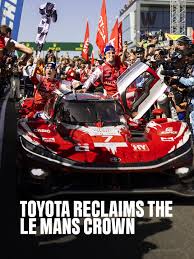
Toyota Gazoo Racing reclaimed the Le Mans 24 Hours title in a race that produced almost every emotion the sport is capable of generating — mechanical drama, brilliant driving, strategic masterclasses, heartbreaking retirements, and a finale that left even the most experienced observers unsure who would emerge victorious until the final hours were played out.
The Japanese manufacturer’s victory was not assured until relatively late in the race, with multiple rival hypercar entries providing genuine competition throughout the night session and into the final morning. The safety car periods that punctuated the race — necessitated by incidents ranging from minor off-track excursions to one significant accident that brought out extended neutralisation — repeatedly reset the competitive dynamics and forced team strategists to revise their plans at short notice.
Toyota’s winning car spent a tense period mid-race dealing with a technical issue that the crew managed without pitting, relying on driver management and monitoring from the garage to nurse the car through without losing significant time. The decision not to bring the car in for additional attention, made with incomplete information and under enormous pressure, proved correct and was celebrated in the Toyota garage with the kind of relief that only comes when a calculated gamble pays off.
The race’s physical demands on drivers were characterised by several participants as among the most challenging in recent memory. Temperatures during daylight hours pushed the interior of the enclosed hypercar cockpits to uncomfortable levels, and the Mulsanne straight’s characteristics mean that even brief inattention or mechanical hesitation can have catastrophic consequences. That the race was completed with no serious injuries to drivers or spectators was itself a cause for relief.
Le Mans retains a unique place in motorsport’s calendar and imagination despite the proliferation of world-class racing events throughout the year. The combination of endurance, speed, mechanical complexity, and the particular atmosphere of the Circuit de la Sarthe — where spectators camp in the infield, where the sound of racing engines merges with festival celebration through the night — creates an experience that has no genuine equivalent in sport.
The hypercar era has reinvigorated the top class of Le Mans competition, bringing manufacturer investment and technological ambition that the previous decade’s less dramatic regulations had failed to attract. Multiple manufacturers are now producing competitive entries at significant cost, making the championship genuinely unpredictable in a way that spec-series racing cannot replicate.
For Toyota, the victory was particularly meaningful given the challenges the team has faced in recent seasons when rivals had closed the performance gap significantly. Their engineers and drivers will describe hours of work in simulator sessions and in testing that went into finding the pace that made the difference in the closing stages of this race.
Amateur drivers who competed in the lower classes of the same race — some of whom had spent years raising the funds and developing the skills needed to participate — described the experience of racing on the same circuit as the world’s best manufacturers and professional drivers as the fulfilment of a lifelong dream. Le Mans accommodates both the pinnacle of professional motorsport and the passionate amateur in a way that is genuinely rare and precious.
The next Le Mans is already being anticipated by teams, drivers, and spectators who experienced this one and know they will be back. That is the measure of what La Sarthe means to motorsport: it is not merely a race, but a relationship that endures across decades and generations.