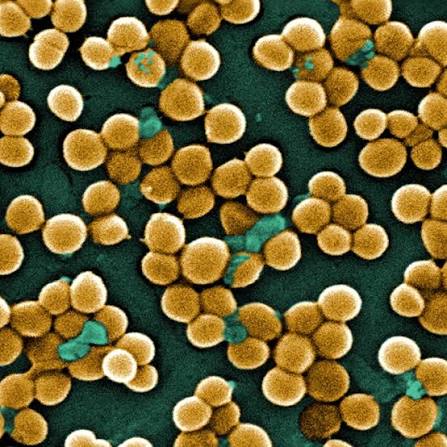
The World Health Organisation has formally reclassified antimicrobial resistance as a global health emergency of the first order, elevating the threat to a tier previously reserved for acute infectious disease outbreaks, following the publication of revised mortality estimates that attribute more than five million deaths per year directly or indirectly to infections caused by bacteria no longer responsive to available treatments. The reclassification carries significant procedural implications for how member states are expected to report surveillance data and coordinate national action plans, but advocates working on the issue have cautioned that administrative reclassification will accomplish little without a fundamental reorientation of both pharmaceutical investment and the agricultural practices that have driven resistance to its current level.
The science underlying the emergency designation has been accumulating for decades. Alexander Fleming himself warned in his 1945 Nobel Prize acceptance lecture that the misuse of penicillin could produce resistant bacteria, a prediction that has been borne out with a comprehensiveness that has exceeded the worst projections of early microbiologists. The mechanisms through which bacteria develop and share resistance genes are now well understood: through mutations that alter the targets to which antibiotics bind, through enzymatic degradation of the drugs themselves, and through horizontal gene transfer, a process by which resistance genes can pass between bacterial species with a speed and promiscuity that renders species boundaries effectively meaningless as a containment concept.
The agricultural dimension of the crisis has proved the most politically contentious. Approximately two-thirds of global antibiotic consumption by volume occurs not in human medicine but in livestock production, where the drugs are routinely administered not to treat diagnosed illness but to promote growth and prevent disease in densely housed animals. The scientific evidence linking agricultural antibiotic use to the emergence and spread of resistance in human pathogens has been characterised by the research community as robust, but industry representatives and some governments in major livestock-producing nations have resisted regulatory action on the grounds of economic impact and argued that the causal pathways are more complex than the headline figures suggest. The WHO’s new classification is expected to intensify pressure on member states to implement the usage restrictions that some European nations have applied for years.
The pharmaceutical pipeline capable of responding to the emergency is widely regarded as inadequate. The economics of antibiotic development have long been unfavourable for commercial pharmaceutical companies: a successful new antibiotic, once approved, would ideally be used as sparingly as possible to preserve its effectiveness, a deployment strategy that is fundamentally incompatible with the revenue models that justify the billion-dollar investments required to bring a new drug through clinical trials. Several large pharmaceutical companies have exited antibiotic research entirely in recent years, and the field has increasingly come to depend on small biotechnology firms and academic researchers whose access to late-stage development funding is structurally constrained.
Public health officials in high-income countries have tried to frame the resistance crisis as an equity issue as much as a medical one. The burden falls disproportionately on lower-income nations where infection rates are higher, surveillance capacity is more limited, and access to the second- and third-line drugs that remain effective against resistant strains is constrained by cost and supply-chain fragility. In those settings, conditions that are entirely treatable in well-resourced health systems — neonatal sepsis, post-surgical infections, drug-resistant tuberculosis — continue to kill at rates that reflect not the limits of medical science but the limits of political will and international solidarity.
The trajectory of resistance, left unaddressed, points toward a future in which routine medical procedures that currently carry manageable infectious risk become substantially more dangerous. Hip replacements, cancer chemotherapy, and organ transplantation all depend on the reliable availability of effective antibiotics to prevent and manage infections in patients whose immune systems are compromised by the procedures themselves. The prospect of returning to a pre-antibiotic paradigm of surgical risk is not a theoretical concern for the researchers and clinicians who monitor resistance trends; it is a direction of travel they can trace in the data they already hold.