World Cups have always carried some political weight, but the 2026 tournament is unfolding under unusually tense circumstances. One of the host nations, the United States, is involved in a conflict with Iran, even as Iran’s team is part of the competition and must travel in from another country on match days.
The wider backdrop is just as striking. The three co-hosts — the US, Canada and Mexico — are also locked in a major trade dispute. During the tournament itself, from the opener at Estadio Azteca to the final at MetLife Stadium in New Jersey, the three countries are expected to be renegotiating the USMCA trade agreement.
President Donald Trump has shown intense interest in the World Cup, its sponsors and the political impact of hosting it during his second term. He has even joked that losing the 2020 election had one advantage: it allowed him to return to office in time for the 2026 World Cup and the 2028 Los Angeles Olympics.
The tournament also arrives during renewed conflict between Iran and Israel. Trump has publicly urged an end to the fighting, and shortly before kickoff he appeared to cancel planned U.S. strikes while suggesting that a peace deal could be close. Earlier the same day, however, he had warned that Iran could be hit “very hard,” reflecting how quickly the situation can shift.
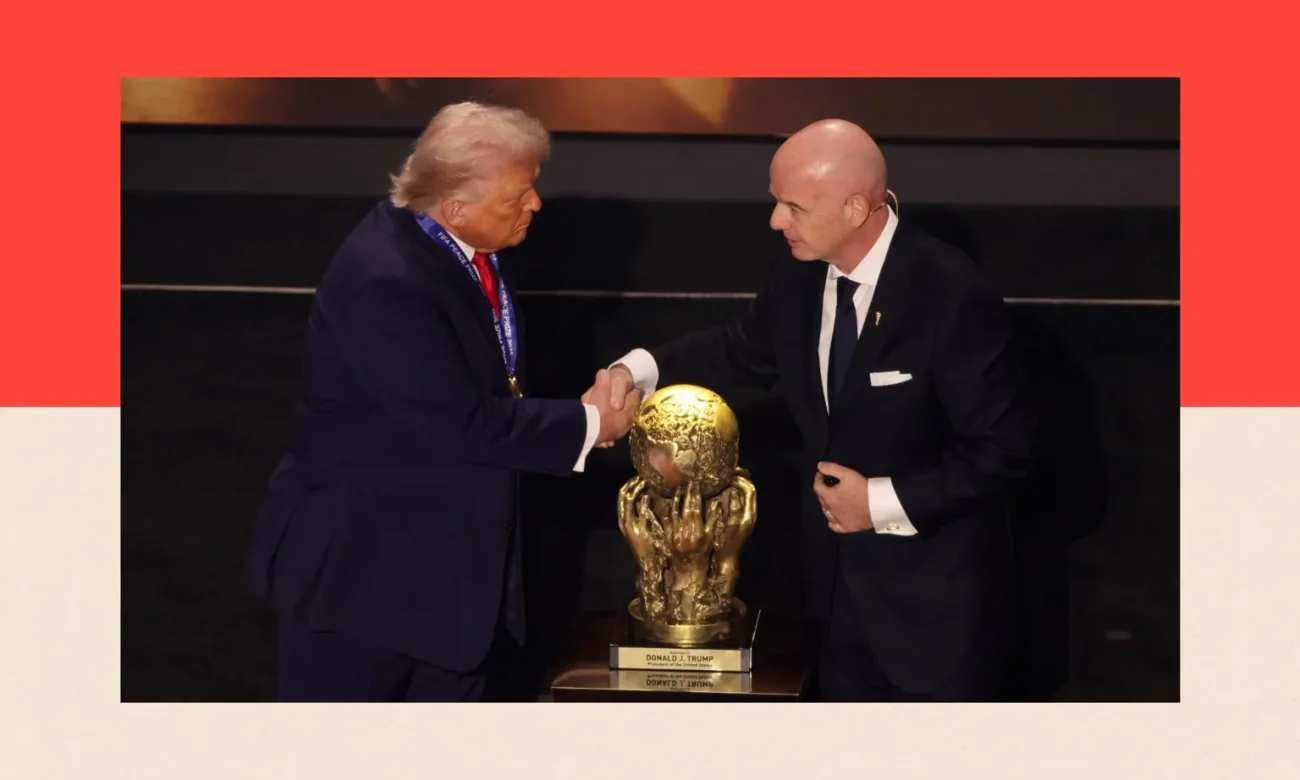
Trump has already drawn criticism for accepting a FIFA Peace Prize before launching military action against Iran, a conflict that has shaken energy markets and the global economy. There is even a possibility that the US and Iran could meet in the knockout rounds during the weekend of America’s 250th Independence Day celebrations.
FIFA president Gianni Infantino has previously called for ceasefires during World Cups. If the tournament adds pressure for de-escalation, it could affect far more than football, potentially influencing oil prices, energy supplies and broader economic conditions.
Whether the World Cup can genuinely shape major diplomatic or trade conflicts remains uncertain. But this tournament is clearly more than a sporting event. It is taking place at the center of a changing global economy, while also highlighting how football’s own financial system is being reshaped in full public view.