A new television version of Cape Fear is putting the spotlight back on one of American fiction’s most disturbing villains: Max Cady, now played by Javier Bardem.
Cady first appeared in John D. MacDonald’s 1957 novel The Executioners. In that story, he is a violent ex-convict who becomes obsessed with punishing lawyer Sam Bowden, the man whose testimony helped send him to prison for more than ten years. After his release, Cady begins stalking Bowden and his family, turning their safe domestic life into a nightmare.
Across the years, Cady has become more than just a revenge-seeking criminal. He represents a threat to the comfortable American family, to suburban security and to the belief that the justice system can keep evil contained. Each version of the story has reflected the fears of its own time.
That is part of what interests Nick Antosca, showrunner of the new Apple TV series. He has described Cape Fear as a story about a protected, privileged family being targeted by an outsider. But he also notes that both the family and the monster change depending on the era — and in the 2020s, the moral lines are less simple.
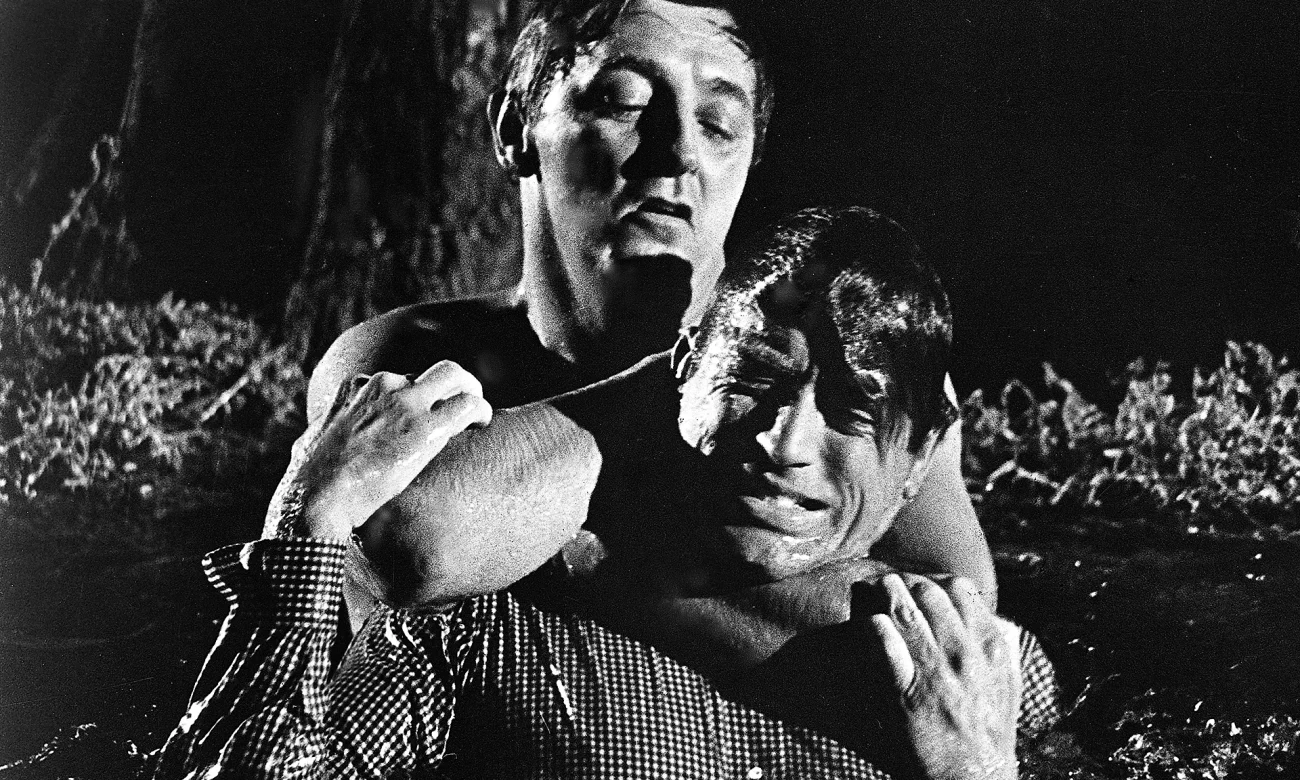
Before Bardem, Cady was made famous by two major film performances. Robert Mitchum played him in J. Lee Thompson’s 1962 film, while Robert De Niro took on the role in Martin Scorsese’s 1991 remake. Scorsese is now involved again as an executive producer on the new 10-part Apple TV adaptation.
In MacDonald’s original book, Cady is portrayed in stark terms. He is a brutal predator whose cruelty is intensified by a troubled past, including criminal family roots, the collapse of his marriage and the death of his son. The novel leaves little doubt about his guilt or his capacity for sadism. Bowden, by contrast, is presented as a moral figure who once witnessed Cady commit sexual assault during World War II and later testified against him. Cady sees Bowden’s family as a symbol of everything he no longer has, and he torments them while carefully avoiding actions that would allow police to stop him.
The 1962 film simplified Cady even further. Much of his backstory was removed, making him a leaner, more mysterious noir-style villain. Mitchum brought a calm, chilling confidence to the role, drawing on the sinister screen presence he had already shown in films such as The Night of the Hunter. His Cady felt relaxed, charming and dangerous all at once.
Critics have also noted that Mitchum’s version carried a particular cultural charge. Writer and professor Michael Arnzen has described him as an early version of the rebellious outsider figure. By setting Cady’s loose, anti-authoritarian energy against Gregory Peck’s upright, respectable Bowden, the 1962 movie tapped into anxieties about people who rejected middle-class norms and traditional American values.
Later versions, especially De Niro’s, would make Cady more theatrical, intellectual and almost mythic in his menace. Bardem’s new take now enters that long tradition, revisiting a character whose terror comes not only from what he does, but from what he exposes: how fragile safety, justice and family life can be when someone refuses to obey the rules.